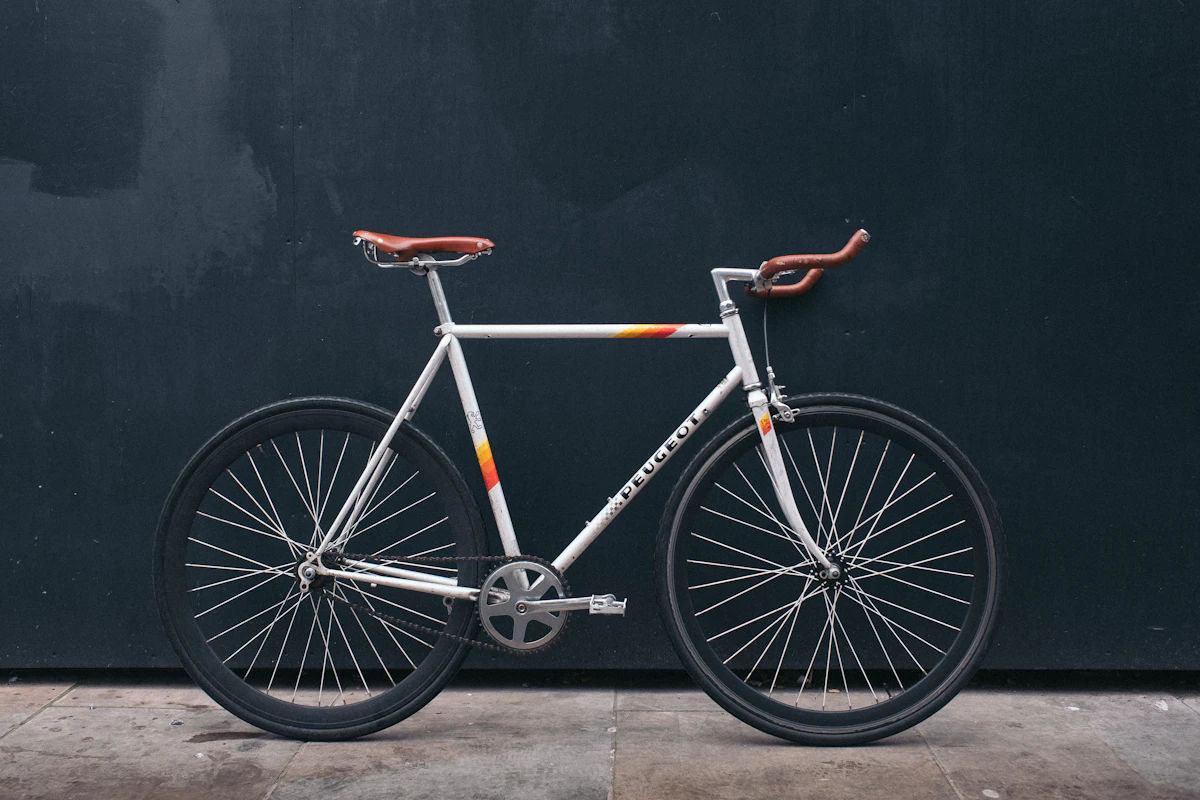
Buying your first road bike is mostly a series of trade-offs, and almost every shop conversation skips straight to the part that matters least: frame material. Here’s the order that actually matters.
Get the size right first
No amount of carbon fiber fixes a bike that doesn’t fit. A road bike that’s the wrong size will leave you stretched out, hunched over, or perched too high no matter how good the components are.
Most shops will size you using standover height and reach, but the only way to know for sure is to sit on the bike and ride it around the block. If a shop won’t let you do that, find a different shop.
Standard sizing ranges
As a starting point, road bike sizes typically run from 47cm to 58cm+ in frame height, though sizing conventions vary by brand - some use S/M/L instead. Treat any size chart as a first guess, not a final answer.
Frame material: less important than you think
Aluminum, carbon fiber, steel, and titanium all make perfectly good first road bikes. The ride quality differences that get discussed endlessly online are real, but they’re smaller than the difference between a bike that fits and one that doesn’t.
- Aluminum: Stiff, light for the price, less forgiving on rough roads. The default choice under $1,500.
- Carbon fiber: Better vibration damping, lighter at a given stiffness, more expensive. Worth it once you’re certain road cycling is sticking.
- Steel: Comfortable, durable, heavier. Popular for touring and all-road builds.
- Titanium: Combines steel’s ride quality with lower weight - and a price to match.
For a first bike, a well-fitted aluminum frame with a carbon fork is the most common sensible choice.
Groupset tiers: where the money actually goes
The groupset - shifters, derailleurs, brakes, cassette, crankset - is where most of a road bike’s price difference lives once frame size is settled.
Entry-level groupsets shift and brake reliably. What you’re paying for at higher tiers is weight, shift speed under load, and durability - not whether the bike works.
If your budget is tight, a bike with a lower groupset tier and a frame you actually like will serve you better than a lower-tier frame with a flashier groupset.
What to skip for now
- Electronic shifting - nice, not necessary for a first bike.
- Disc brakes vs. rim brakes - both work well; disc brakes cost more and add a small amount of weight, but stop better in the wet.
- Aero frame shaping - matters at racing speeds, not on a first bike.
The bottom line
Fit first, groupset second, frame material a distant third. Ride a few sizes before you buy, and don’t let a spec sheet talk you out of the bike that actually felt right under you.

