Most bike problems are preventable with five habits, none of which require a full home workshop. Here’s what to actually do, in order of impact.
1. Check tire pressure before every ride
Tires lose pressure over days, not weeks - a soft tire increases rolling resistance, wears the sidewall faster, and raises your risk of pinch flats.
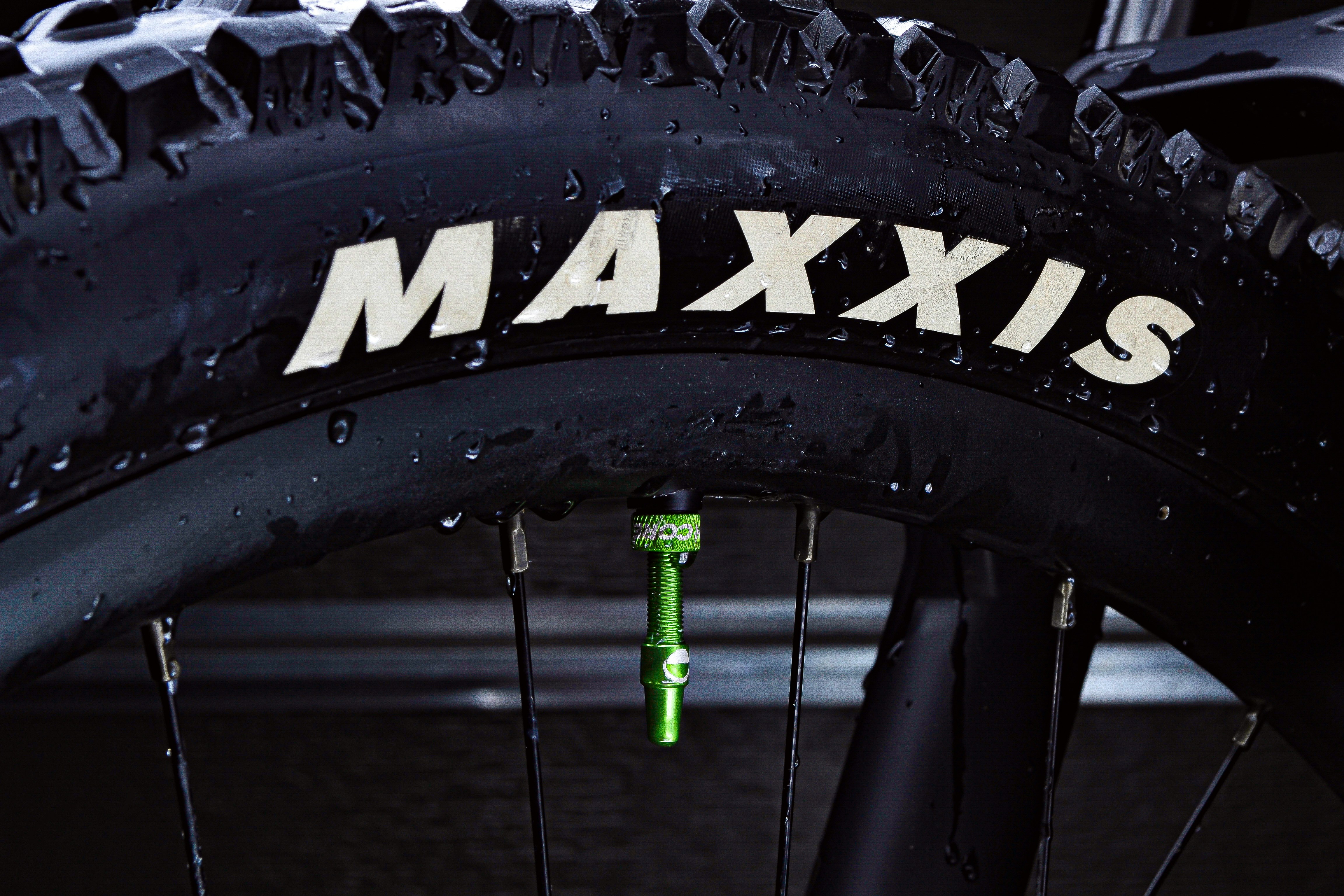
Check the sidewall of your tire for the recommended pressure range and use a floor pump with a gauge. Road tires typically run higher pressure than mountain or gravel tires, but always go by what’s printed on the tire, not a generic number.
2. Keep the chain clean and lubricated
A dry, dirty chain is the single biggest source of preventable wear across your whole drivetrain - it accelerates chain stretch, and a stretched chain wears out your cassette and chainrings too.
A simple cleaning routine
- Wipe the chain with a rag after wet or muddy rides.
- Apply a drop of chain lubricant to each roller, then wipe off the excess - excess lube attracts more grit than it prevents.
- Re-lube every 100–200 miles, more often in wet conditions.
3. Test your brakes before you need them
Squeeze each brake lever before setting off. It should engage with about half the lever’s travel, not bottom out against the handlebar.
For rim brakes, check pad wear against the wear indicator lines. For disc brakes, look through the caliper for pad thickness - thin pads should be replaced before they wear into the rotor.
4. Check bolt torque periodically
Vibration loosens bolts over time, especially on stems, seatposts, and bottle cage mounts. Most modern bikes list torque specs directly on the frame or component - a small torque wrench is a worthwhile investment even for casual riders.
Overtightening carbon components is a common and expensive mistake. Torque specs exist for a reason, especially on carbon seatposts and handlebars.
5. Clean the drivetrain monthly
Beyond chain lube, a monthly degrease-and-rinse of the cassette, derailleur pulleys, and chainrings keeps shifting crisp and prevents grit from grinding down expensive parts.
A degreaser, a stiff-bristle brush, and a rag are enough - no need for a full parts washer at home.
The bottom line
None of this requires a workshop. Tire pressure, a clean chain, working brakes, checked bolts, and a monthly drivetrain clean prevent the large majority of issues that send a bike to the shop.