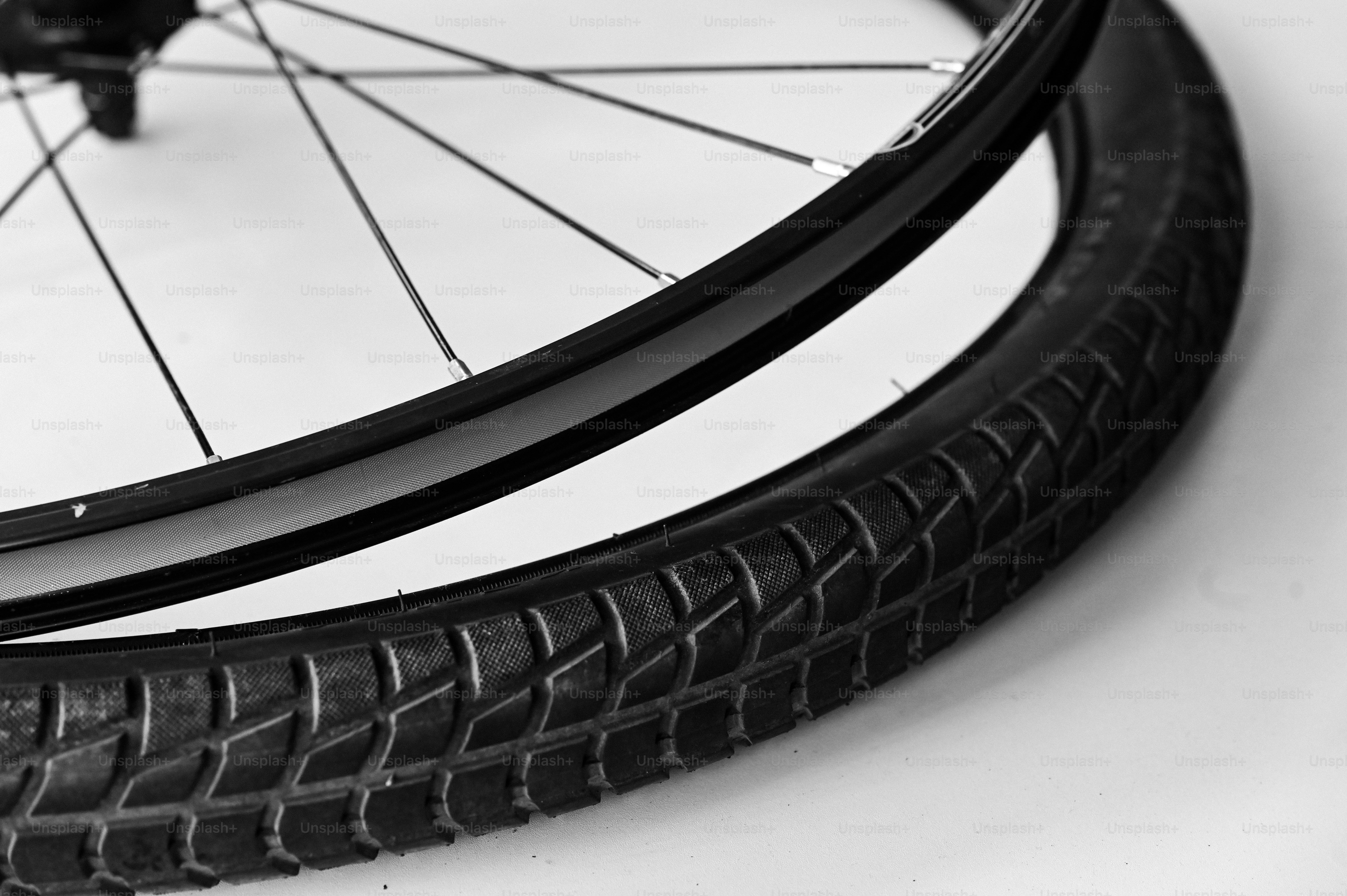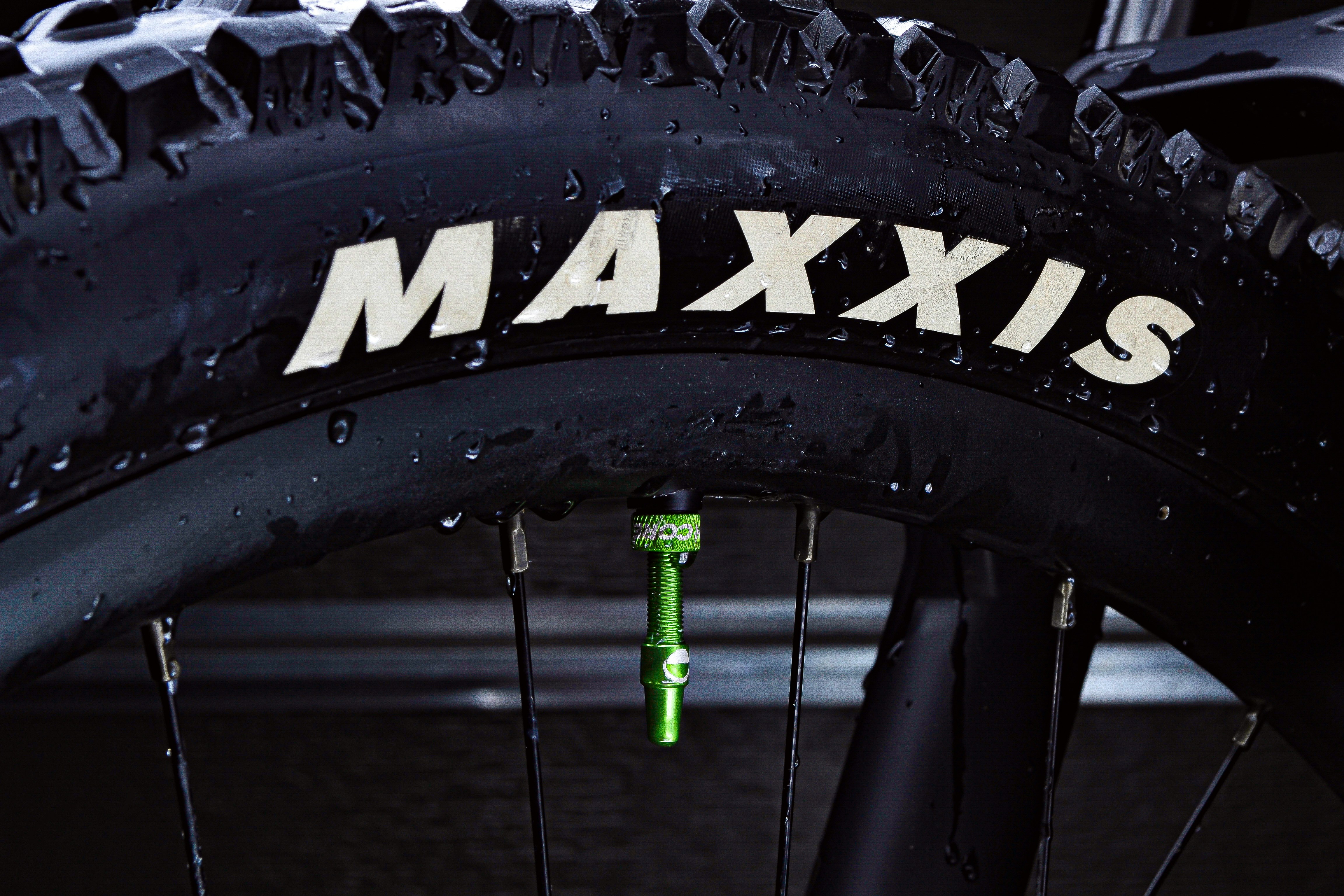
Tire setup affects comfort, grip, puncture resistance, and even how fast a bike feels more than many riders expect. If you have ever wondered whether a wider tire would make your bike more comfortable, whether lower pressure is always better, or whether tubeless is worth the upkeep, the answer usually starts here rather than in the frame or drivetrain.
What tire width actually changes
Tire width is not just a number on the sidewall. It changes the shape of the tire, the size of the air volume inside it, and how the bike behaves when the road gets rough.
Wider tires usually feel smoother because they can run at lower pressure without feeling harsh. That extra air volume helps the tire absorb chatter from broken pavement, gravel, or washboard surfaces. On rougher routes, that can improve comfort and control so much that the bike feels faster even if the tire itself is not the narrowest option on paper.
Narrower tires still make sense when the road surface is consistently smooth and the rider wants a firmer, more direct feel. They can be a good fit for racing, but they are not automatically the fastest choice for every rider on every road.
Width depends on more than the tire itself
The best width for your bike depends on three things:
- Frame and fork clearance
- Rim internal width
- The type of riding you actually do
If the tire does not clear the frame or fork cleanly, the decision is already made. If the rim and tire width are poorly matched, the tire can feel vague or sit in a less-than-ideal shape. The smart approach is to start with the bike’s limits, then choose the widest tire that still fits your use case.
How to choose tire width for your riding
The right width is usually the one that matches your route, not the one that sounds fastest in a forum thread.
- Smooth road riding: A mid-range road tire often gives the best balance of speed and comfort.
- Endurance riding: Slightly wider tires can reduce fatigue over long distances because they soften road buzz.
- Commuting: Wider tires are often a smart choice because they handle potholes, debris, and imperfect pavement better.
- Gravel and mixed surfaces: Wider tires usually make more sense because traction and control matter more than absolute speed.
If you are unsure, choose the width that lets you ride confidently on your roughest regular route. That is usually more useful than optimizing for one perfect stretch of clean pavement you only see once a month.
Tire pressure: low is not always better
Pressure changes how much the tire deforms under load. Too much pressure can make the ride harsh and reduce grip. Too little pressure can make the bike feel sluggish, increase the chance of rim strikes, and raise the risk of pinch flats on tube setups.
The old rule of thumb was to inflate as hard as possible. Modern tire setup is more nuanced. Most riders are better off with pressure that supports the rider and tire without bouncing the bike around on every crack in the road.
Start with the manufacturer’s range
The sidewall pressure range is a starting point, not a final answer. From there, adjust for:
- Rider weight
- Tire width
- Tubed or tubeless setup
- Road surface quality
- Front and rear load differences
A common mistake is running the same pressure in both tires without thinking about load distribution. The rear wheel usually carries more weight, so it often needs slightly more pressure than the front.
What pressure feels like in practice
- Too high: Harsh ride, less grip in corners, more road vibration
- Too low: Squirmy handling, more drag from excessive tire deformation, greater chance of damage on sharp impacts
The best pressure is the one that feels controlled, not just hard.
Tubes vs tubeless
Traditional tubes are simple and familiar. You install a tube inside the tire, inflate it, and ride. If you puncture the tube, you replace or patch the tube and move on.
Tubeless setups remove the inner tube and rely on a seal between tire and rim plus liquid sealant inside the tire. Small punctures can seal themselves while you ride, which is why tubeless has become so popular for gravel and rough-road riding.
What tubeless does well
- Helps seal small punctures automatically
- Can reduce pinch flats because there is no tube to pinch
- Often allows lower pressure without the same penalty on rough surfaces
- Can improve comfort and traction on broken pavement or gravel
What tubeless asks in return
- Sealant needs periodic top-ups
- Installation can be messier than a tube setup
- Not every rim and tire combination is equally easy to set up
- Large cuts can still end the ride if the sealant cannot close them
Tubeless is not magic. It is a tool, and it is most useful when the benefits matter more than the maintenance.
When to go tubeless
Tubeless makes the most sense when your riding regularly demands lower pressure, more traction, or better puncture resistance.
Consider tubeless if:
- You ride gravel, mixed surfaces, or rough roads often
- You get frequent small punctures from debris or thorns
- You want more comfort without adding unnecessary weight
- You are willing to check sealant and maintain the setup over time
You may be better off staying with tubes if:
- You want the simplest possible setup
- You rarely puncture
- You ride mostly on smooth roads
- You do not want to think about sealant, valves, and compatibility
For many road riders, tubeless becomes appealing once they start riding longer distances or rougher roads regularly. For casual riders on clean pavement, a good tube setup is still perfectly valid.
A simple setup checklist
Before changing anything, make sure the tire choice matches the bike and the ride.
- Confirm your frame and fork clearance.
- Check the rim’s internal width and the tire manufacturer’s recommendations.
- Pick the width that matches your terrain and comfort goals.
- Start pressure in the recommended range, then adjust after a few rides.
- Decide whether tubeless solves a real problem for you or just adds complexity.
- Recheck pressure regularly, because even the best setup drifts over time.
The bottom line
Tire width, tire pressure, and tubeless setup work together. Width changes the shape and feel of the tire, pressure changes how the tire behaves under load, and tubeless changes how the bike handles punctures and lower pressures. If you match those choices to your riding instead of chasing a generic ideal, the bike usually feels better immediately.
For most riders, the best setup is not the most aggressive one. It is the one that fits the bike, fits the route, and asks you to think about maintenance only as much as you are willing to.